Understanding Large Garden Planters
Large garden planters offer an excellent way to enhance outdoor spaces, allowing gardeners to cultivate a wide variety of plants while optimizing aesthetics and functionality. These garden accessories are not just vessels for plants; they play a crucial role in design, practicality, and even plant health. As we explore the myriad options available, it’s crucial to consider aspects such as size, material, and design, all of which can significantly impact the overall gardening experience. When exploring options, large garden planters provide comprehensive insights into maximizing your gardening space.
What are Large Garden Planters?
Large garden planters are typically defined as pots or containers with a sizable capacity for soil and plants, allowing for greater root growth and diverse planting options. They come in a variety of shapes, sizes, and materials. Their primary function is to support plant life, but their secondary function is to enhance the visual appeal of outdoor spaces. These planters can be made from materials ranging from traditional terracotta to modern composites, offering various benefits depending on the chosen material.
The Importance of Size in Gardening
Size plays a pivotal role in the gardening process. Larger planters provide more soil volume, which helps retain moisture and nutrients, crucial for healthy plant growth. They also enable gardeners to cultivate larger plants or create more complex displays with multiple plants. Moreover, well-sized planters can minimize the frequency of watering and maintenance, making them ideal for busy urban gardeners or those with limited time.
Types of Large Garden Planters Available
When it comes to large garden planters, the options are virtually endless. Here are a few popular types:
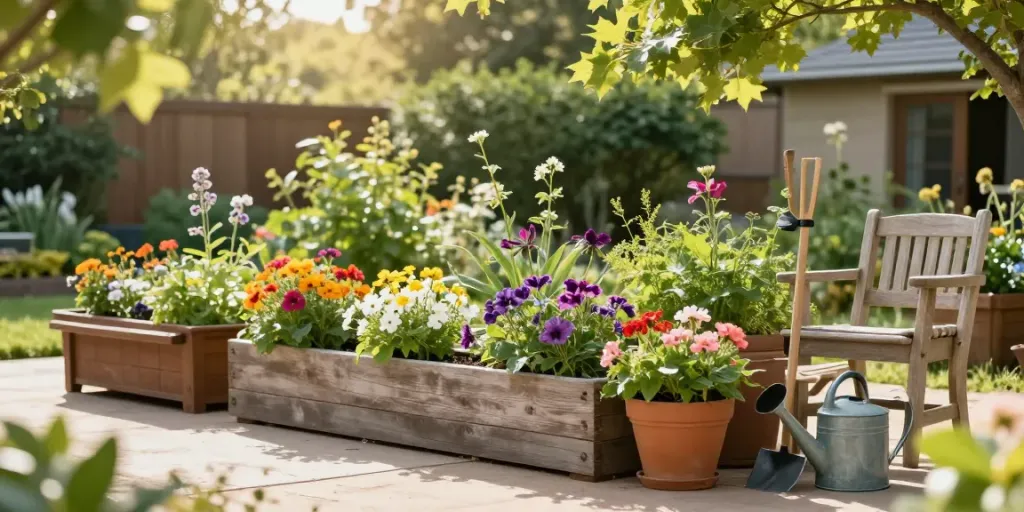
- Wood Planters: Often constructed from cedar or redwood, these planters offer natural aesthetics and durability.
- Plastic Planters: Lightweight and available in various colors, plastic planters are easy to move and maintain.
- Metal Planters: Galvanized steel or aluminum options provide a modern touch and are often rust-resistant.
- Terracotta Planters: These classic pots are breathable and great for plants that prefer drier soil.
- Concrete Planters: Heavy-duty and highly durable, concrete planters are ideal for permanent installations.
Best Materials for Large Garden Planters
Why Material Choices Matter
The choice of material for large garden planters significantly affects not only the longevity of the planter but also the health of the plants. Each material type has its own set of advantages and disadvantages that can impact everything from drainage to insulation. For instance, wooden planters typically offer excellent insulation but may require treatment to prevent rot. On the other hand, plastic planters, while lightweight and versatile, can heat up quickly in direct sunlight, affecting the soil temperature.
Durability of Different Planter Materials
Durability is another critical aspect of planter selection. While plastic can fade and degrade over time, materials like metal and concrete offer longevity, often lasting several years without significant wear. For example, metal planters resist cracking in cold conditions but can heat up in direct sunlight, necessitating a strategic placement in the garden. Understanding the specific needs of your plants can help guide the choice of material.
Eco-Friendly Options for Garden Enthusiasts
For eco-conscious gardeners, selecting planters made from sustainable materials can be a priority. Biodegradable options, such as those made from recycled materials or coconut coir, are increasingly popular. Alternatively, upcycled materials can also serve as creative planters, promoting environmental responsibility while providing unique visual interest.
Designing with Large Garden Planters
Creating Aesthetic Outdoor Spaces
Designing with large garden planters allows for creative expression and transformation of outdoor spaces. By arranging planters in clusters or varying their heights, you can create visually captivating displays. Consider using contrasting colors and textures to heighten the aesthetic appeal. Additionally, integrating planters with existing landscape elements, such as paths or seating areas, enhances the overall design.
Arranging Planters for Maximum Impact
When arranging planters, attention to symmetry and balance is crucial. For example, flanking a door with two large matching planters creates a welcoming entrance. Alternatively, asymmetrical arrangements can evoke a more relaxed and organic feel. Incorporating varying plant heights and colors can also improve the visual impact, making spaces feel lush and inviting.
Incorporating Planters into Landscape Design
Planters can serve as focal points in landscape design. Placed strategically along pathways or in garden beds, they can draw the eye and create interest at different levels. Incorporating them into the landscape can also offer functional benefits, such as providing shade or acting as windbreaks, particularly when larger trees or shrubs are chosen as focal plants.
Plant Selection for Large Garden Planters
Best Plants for Various Climates
Choosing the right plants for large garden planters involves considering the local climate and the specific environmental conditions of the placement location. For example, in areas with hotter climates, drought-resistant plants such as succulents, lavender, and ornamental grasses thrive. In cooler regions, consider hardy perennials like hostas or daylilies, which can add vibrant color throughout the growing season.
Maintenance Tips for Thriving Plants
To ensure optimal health, regular maintenance is essential. This includes monitoring moisture levels, particularly in larger planters where soil may dry out more slowly. Fertilization is also crucial—using slow-release fertilizers can provide plants with a steady supply of nutrients. Additionally, pest control should be part of a regular maintenance routine, as larger planters can attract a variety of pests.
Seasonal Planting Strategies
Planting strategies should evolve with the seasons. For instance, in spring, consider mixing annuals and perennials to create an array of colors that will bloom throughout the warmer months. In fall, incorporate foliage plants that offer vibrant autumn hues. Furthermore, understanding the growing cycles of different plants can help you switch out seasonal displays effectively.
Future Trends in Gardening with Large Planters
Innovative Designs and Technologies for 2026
The gardening industry is evolving, with innovations in planter designs and technologies. Smart planters equipped with self-watering systems and sensors for monitoring soil health are gaining traction. These advanced systems enable gardeners to maintain optimal conditions effortlessly, reducing the likelihood of over- or under-watering.
Predictions for Sustainable Gardening Practices
As sustainability becomes increasingly important, future gardening practices will likely focus on eco-friendly materials and methods. This includes vertical gardening using large planters for both aesthetics and space efficiency, allowing urban gardeners to maximize their limited space while maintaining a strong ecological footprint.
Community Gardening and Collaborative Spaces
Community gardening is expected to grow in popularity, with large garden planters serving as a cornerstone for collaborative spaces. These planters can be used for group projects, allowing neighbors or communities to come together, share resources, and enhance their local environment while fostering social connections.
Frequently Asked Questions
Where's the best place to buy large planters?
The best place to buy large planters varies based on individual needs and local availability. Many garden centers provide a fantastic selection, while online retailers offer variety and convenience. Checking customer reviews can also be a beneficial way to ascertain quality.
What is the largest planter I can buy?
The largest planters available on the market can exceed several feet in diameter. However, practical sizes for most gardens range from 24 to 48 inches. Custom sizes are also available from specialized retailers, allowing for unique gardening solutions.
Where can I buy large garden pots cheaply?
Discount garden centers, online marketplaces, and local classifieds can offer excellent deals on large garden pots. Additionally, end-of-season sales provide opportunities for more affordable purchases.
What are the best large outdoor planters?
The best large outdoor planters depend on personal style and the desired plants. Look for planters that offer durability, adequate drainage, and the right aesthetic—whether modern, rustic, or classic—to complement your outdoor space.
How to maintain large garden planters?
Regular maintenance of large garden planters includes monitoring soil moisture, providing appropriate nutrients, and ensuring proper drainage. Additionally, rotating plants seasonally can enhance soil quality and reduce pest issues over time.