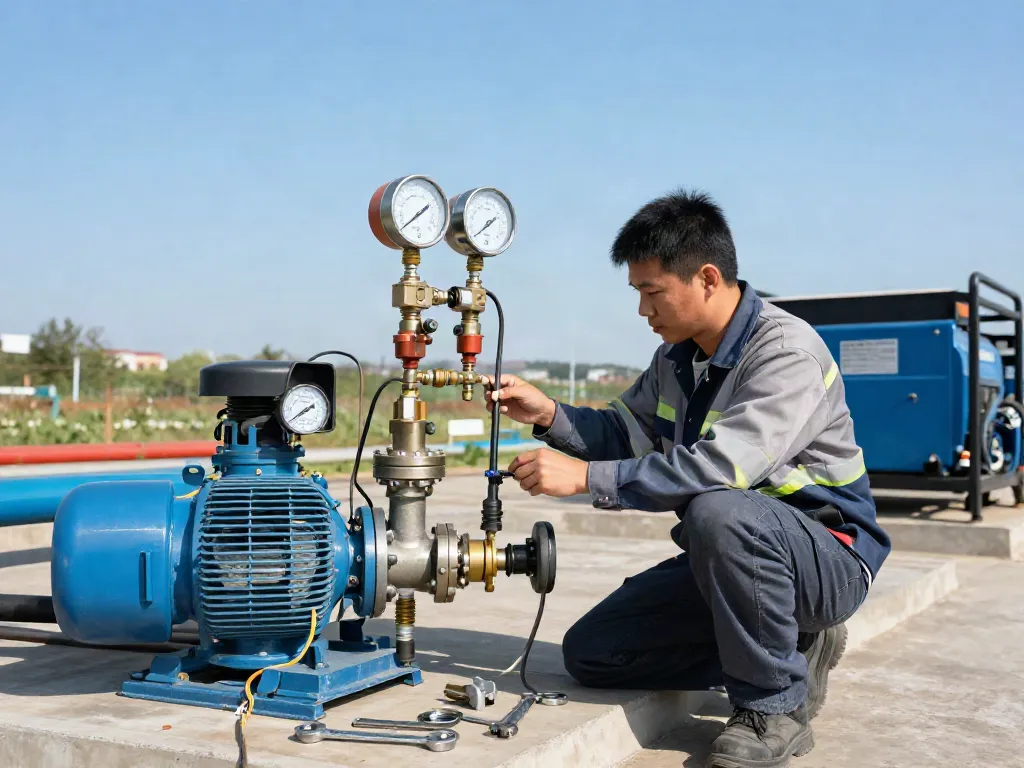
Understanding the Importance of Water Pump Pressure Switches
Water pump pressure switches are essential components in the efficient operation of water pumping systems across various industries. These devices regulate the pressure levels, ensuring that pumps operate within safe thresholds and that water delivery remains consistent. When exploring options, water pump pressure switch models are designed to provide reliable and precise control, which is crucial for both residential and commercial applications. This article delves into the significance of these switches, how they function, and the best practices for selecting the right model for your needs.
What is a Water Pump Pressure Switch?
A water pump pressure switch is an electro-mechanical device that automatically turns the pump on or off based on the pressure levels in the system. It typically features two pressure settings: the cut-in pressure, which activates the pump when the pressure drops below a set level, and the cut-out pressure, which deactivates the pump when the desired pressure is reached. This functionality is vital for preventing dry running of pumps, which can lead to significant damage and costly repairs.
How Water Pump Pressure Switches Work
Water pump pressure switches operate using a diaphragm that responds to changes in pressure within the system. When the pressure drops below the cut-in level, the diaphragm moves, closing a set of contacts that activates the pump. Conversely, once the cut-out pressure is achieved, the diaphragm relaxes, opening the contacts to turn off the pump. This cycle can occur numerous times during operation, making durability and reliability critical factors in selecting a switch.
Common Applications in Industries
Water pump pressure switches are versatile components found in various applications including:
- Residential Water Systems: Used in well pumps and booster systems to maintain consistent water supply pressure.
- Agricultural Irrigation: Ensures adequate pressure for irrigation systems, increasing efficiency and yield.
- Commercial Water Supply: Utilized in multi-story buildings and hotels to manage water pressure across different levels.
- Industrial Applications: Integral to manufacturing processes that require precise water pressure control.
Identifying Risks Associated with Water Pump Pressure Switches
While water pump pressure switches play a crucial role in system operation, several risks can arise from improper selection or maintenance. Understanding these risks will help in mitigating potential failures and ensuring optimal performance.
Poor Quality Components and Their Consequences
Using subpar components can lead to frequent failures, resulting in increased maintenance costs and downtime. Low-quality switches are often less durable, affecting their ability to withstand the pressures and cycles typical in demanding environments. Choosing premium brands, such as those offered by Lefoo, can significantly reduce these risks.
Operational Challenges and Misconfigurations
Improper configuration of the pressure switch can lead to operational challenges, including pump cycling too frequently or not activating at all. This misconfiguration can stem from incorrect pressure settings or compatibility issues with the pump system. Ensuring that the selected switch matches the specific requirements of the pump is critical for reliable operation.
Ignoring Maintenance and Inspection Protocols
The longevity and performance of water pump pressure switches depend significantly on regular maintenance and inspections. Neglecting these practices can result in unnoticed wear and tear, leading to failures when the system is under heavy load. Implementing a routine inspection schedule can help mitigate these issues and extend the life of the switch.
Best Practices for Selecting Water Pump Pressure Switches
Selecting the right water pump pressure switch involves careful consideration of several factors to ensure compatibility and reliability. Here are some best practices to follow:
How to Choose High-Quality Pressure Switches
When selecting a pressure switch, prioritize quality over cost. Look for switches that are built with industrial-grade materials, such as robust diaphragms and high-grade electrical contacts, designed to endure millions of cycles. Opt for manufacturers with established reputations for reliability and customer support.
Understanding Specifications and Compatibility
Each water pump pressure switch comes with specific technical specifications that dictate its functionality. Factors such as voltage ratings, pressure settings, and flow characteristics should align with the system's requirements. Verify these specifications to avoid compatibility issues that can lead to malfunction.
Evaluating Supplier Reliability
Choose suppliers with a proven track record in the industry. Look for companies that provide detailed product information, reliable customer service, and warranty options. Reliable suppliers often offer robust technical support, ensuring that any issues can be quickly addressed.
Enhancing Operational Efficiency with Proper Installation
Proper installation is paramount for ensuring the efficiency of a water pump pressure switch. Following the correct installation guidelines can drastically reduce the risk of operational failures.
Key Installation Guidelines
Follow the manufacturer's installation instructions meticulously, paying attention to mounting locations, wiring configurations, and pressure setting adjustments. Properly calibrating the cut-in and cut-out pressures during installation is crucial for ensuring optimal performance.
Techniques for Optimal Configuration
To achieve the best performance, configure the pressure settings according to the specific application. For example, in residential applications, a common setting might be 30/50 PSI, while agricultural systems may require different specifications based on the irrigation demands.
Common Installation Mistakes to Avoid
Avoid common pitfalls such as improper wiring, inadequate sealing of connections, and neglecting to test the system after installation. Failing to conduct thorough tests can lead to undetected issues that may exacerbate operational challenges.
Future Trends in Water Pump Pressure Switch Technology
As technology continues to evolve, several trends are emerging in the field of water pump pressure switches that will shape the future of the industry.
Emerging Technologies and Innovations
Innovations such as IoT-enabled pressure switches are becoming more prevalent, allowing operators to monitor pressure levels remotely and receive alerts for any anomalies. This technology streamlines maintenance efforts and enhances system reliability through real-time data analysis.
Predictions for 2026 and Beyond
By 2026, we can expect significant advancements in automation and integration with smart home systems, allowing for more efficient water management. Additionally, the demand for energy-efficient solutions will drive manufacturers to develop pressure switches that minimize energy consumption while maximizing performance.
How to Prepare for Changes in the Industry
Businesses should stay informed about technological advancements and invest in training for their teams to adapt to new technologies. Building relationships with suppliers who are at the forefront of innovation will ensure that companies remain competitive and can leverage the latest developments in pressure switch technology.
How to tell if a water pump pressure switch is bad?
Signs of a failing pressure switch include irregular pump cycling, failure to start, or continuous running without pressure. Regular inspections can help identify these issues early, allowing for timely replacements.
How do I reset a water pump pressure switch?
Resetting a pressure switch typically involves turning off power to the pump, adjusting the pressure settings if needed, and then turning the power back on. Following the manufacturer's instructions is crucial for a successful reset.
Do I need a 30/50 or 40-60 pressure switch?
The choice between a 30/50 or 40/60 pressure switch depends on your specific application requirements. Evaluate the pressure needs of your system to determine which setting provides the best operational efficiency.