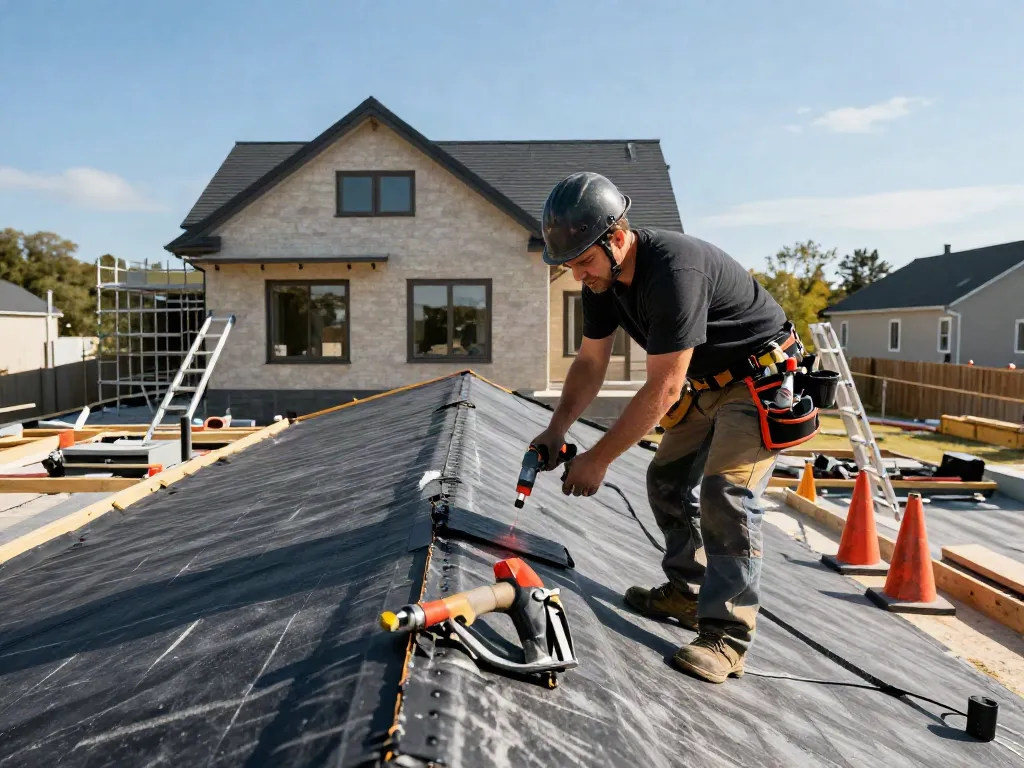
Understanding Felt Roofing Basics
Felt roofing has emerged as a popular choice in the construction and renovation industry due to its durability and cost-effectiveness. This method of roofing is widely used for both residential and commercial properties, providing a reliable solution for protecting structures from the elements. Felt roofing is made from a combination of fibreglass and asphalt, which creates a waterproof barrier that is highly resistant to damage and wear. As we delve deeper into the essentials of felt roofing, we will explore its applications, benefits, and best practices for installation and maintenance.
What is Felt Roofing?
Felt roofing is a type of flat roofing system that utilizes felt materials to create a waterproof layer over a building. Typically composed of bitumen, polyester, and other reinforcing materials, it is designed to provide effective protection against rain, snow, and UV damage. The application of felt roofing can vary depending on the structure, but it is most commonly used for flat roofs on garages, extensions, and commercial buildings.
Common Uses of Felt Roofing Materials
Felt roofing materials are versatile and can be used in various settings, including:
- Residential roofs for extensions and garages
- Commercial buildings, including warehouses and offices
- Sheds and outbuildings
- Flat roofs on apartments and multi-family dwellings
Benefits of Installing Felt Roofing
There are numerous advantages to using felt roofing, such as:
- Cost-effective: Felt roofing materials are generally more affordable than other roofing systems, making them an attractive option for budget-conscious homeowners and property developers.
- Easy installation: With the right tools and experience, felt roofing can be installed relatively quickly, allowing for minimal disruption to daily activities.
- Durability: Modern felt roofing systems are designed to withstand harsh weather conditions, providing long-lasting protection when installed correctly.
Identifying Quality Felt Roofing Specialists
Finding trustworthy roofing specialists is essential for ensuring the longevity and effectiveness of your felt roofing installation. Here are key considerations to help you identify quality contractors:
Signs of Reliable Roofing Contractors
When searching for a contractor, look for the following indicators:
- A solid reputation, backed by customer reviews and testimonials.
- Experience in the field of felt roofing, including specific knowledge of materials and installation techniques.
- Licenses and certifications that comply with local regulations.
Importance of Insurance and References
Reputable contractors should have appropriate insurance coverage to protect against accidents and damages during the installation process. Furthermore, they should be able to provide references from previous clients, demonstrating their reliability and quality of work.
Questions to Ask Before Hiring a Roofer
Before finalizing your choice in a roofing contractor, consider asking the following questions:
- What type of felt roofing systems do you recommend?
- Can you provide a written estimate detailing the costs involved?
- What warranties do you offer on your materials and workmanship?
Common Issues with Felt Roofing
While felt roofing has many advantages, it is not without its challenges. Understanding common issues can help homeowners recognize problems early and take corrective action.
Common Installation Mistakes to Avoid
Improper installation can lead to disastrous results, including leaks and reduced lifespan. Some common mistakes include:
- Insufficient preparation of the underlying surface.
- Poor sealing of seams and joints.
- Inadequate drainage management, leading to water pooling.
Signs Your Felt Roof Needs Repair
Homeowners should be vigilant for the following signs that indicate a felt roof may need repair:
- Visible leaks or water stains on ceilings.
- Blistering or bubbling of the felt material.
- Cracks or splits in the roofing surface.
Understanding Warranty and Maintenance Concerns
Warranties can vary significantly between manufacturers and contractors. Ensure you understand what is covered under your warranty and keep up with regular maintenance to extend the life of your felt roof.
Comparing Quotes for Felt Roofing Services
Obtaining and comparing quotes is a critical step in the roofing process. It allows homeowners to make well-informed decisions based on budget and preferences.
How to Obtain Accurate Roofing Quotes
To ensure you receive quotes that accurately represent the scope of work, provide detailed information when reaching out to contractors. This includes specifying any existing issues, desired materials, and area measurements.
Deciphering Quote Details: Price vs. Quality
When comparing quotes, it’s crucial to look beyond the numbers. Different contractors may offer varying levels of service and quality of materials. Focus on the details provided in each quote, including:
- Type of materials proposed
- Estimated timeline for project completion
- Included warranties and guarantees
Why You Should Compare Multiple Estimates
Requesting and comparing multiple estimates from different contractors gives homeowners a broader perspective on the market rates and available services. This process empowers homeowners to negotiate better deals and make informed choices.
Future Trends in Felt Roofing
As technology progresses, so too does the field of roofing. Being aware of the latest trends can help homeowners make informed decisions for their roofs.
Innovations in Felt Roofing Materials
The roofing industry is seeing innovations such as eco-friendly materials and improved adhesive technologies, which enhance the durability and sustainability of felt roofing systems.
Environmental Considerations in Roofing Choices
With growing awareness around climate change, many homeowners are now considering the environmental impact of their roofing choices. Sustainable materials, such as recycled felts and energy-efficient insulation, are gaining popularity.
Predictions for the Roofing Industry by 2026
Looking ahead, developments in technology and materials science are expected to lead to even more efficient roofing solutions. Homeowners can expect enhanced warranties, improved thermal performance, and more environmentally friendly options to become commonplace.
What are the benefits of felt roofing?
Felt roofing offers several benefits, including affordability, ease of installation, and effective waterproofing capabilities. Its durability means fewer repairs and maintenance over time, making it a practical option for many homeowners.
How can I find local felt roofing specialists?
Utilizing online resources or services like felt-roof.co.uk can help you find qualified local specialists efficiently. These platforms often allow you to compare multiple contractors, ensuring you select the best fit for your needs.
What are common issues with felt roofing?
Common issues can include leaks, blistering, and improper installation. Regular inspections and maintenance can help mitigate these problems and extend the lifespan of the roof.
How long does a felt roof typically last?
With proper installation and maintenance, a felt roof can last between 10 to 20 years. Factors such as quality of materials and local weather conditions play a significant role in determining its lifespan.
What should I include in a roofing quote?
A comprehensive roofing quote should include a breakdown of costs, materials to be used, expected timelines, and warranty information. Make sure to clarify any potential additional charges to avoid surprises later on.